Classic Chocolate Cake With Buttercream
Highlighted under: Cakes & Cravings
I absolutely love baking, and there's nothing quite like a Classic Chocolate Cake with Buttercream to make me feel like a true pastry chef. Each layer of rich chocolate sponge, paired with a creamy and luscious buttercream frosting, is a celebration of flavors that's hard to resist. This recipe has been a cherished part of my gatherings, making any occasion feel special. The combination of deep cocoa flavor and velvety texture never fails to impress and brings smiles all around. Let's dive into this delightful baking adventure!
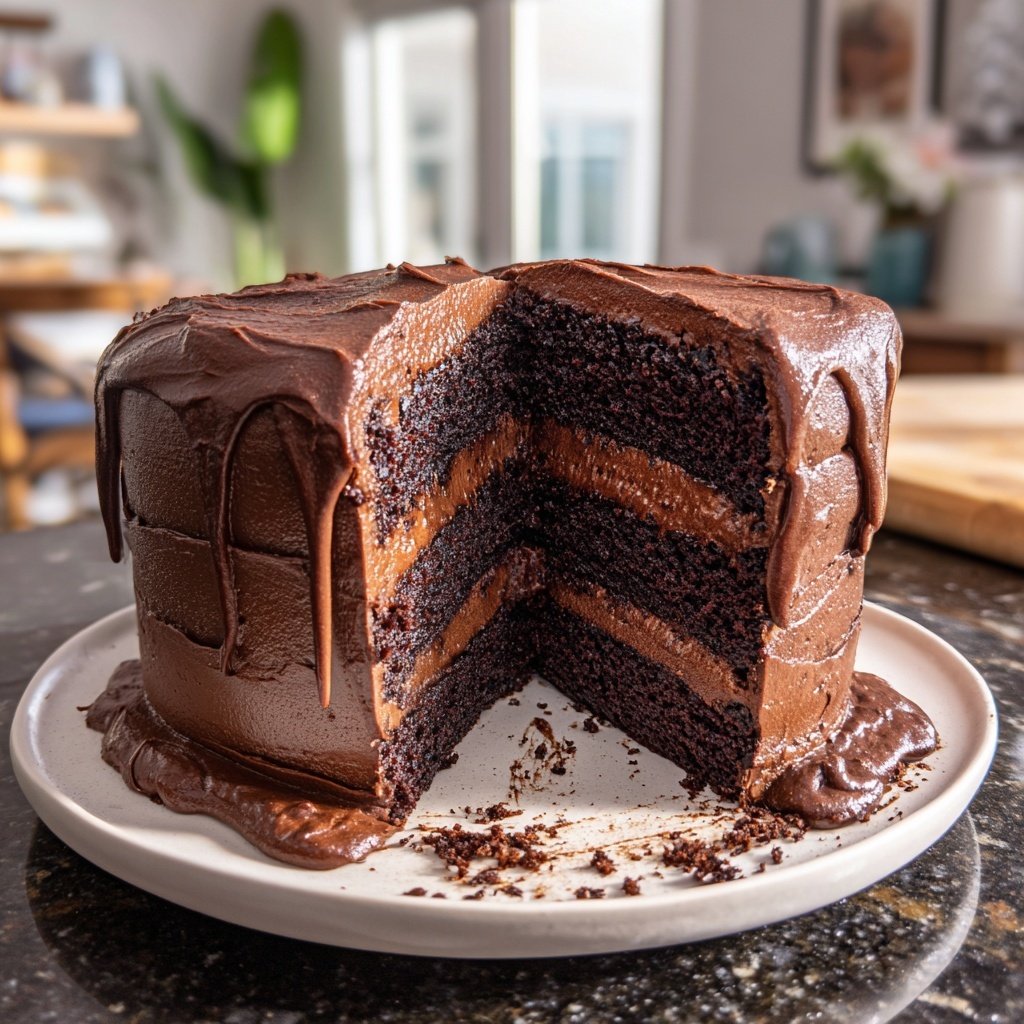
In my journey of baking, I’ve learned that the key to a moist chocolate cake lies in the balance of ingredients. During my first attempts, I realized that using a combination of both butter and oil gives the cake a richer flavor while keeping it tender. I also discovered that letting the cake cool entirely before frosting it is vital, as this prevents the buttercream from melting off.
Additionally, I experimented with different types of cocoa powder and found that Dutch-process cocoa elevates the cake’s profile, providing a more complex flavor. Each bite of this cake is a delightful reminder of why I love this recipe—it’s a classic for a reason!
Why You'll Love This Recipe
- Rich chocolate flavor paired with fresh orange zest
- Creamy texture that melts in your mouth
- Perfect for celebrations or as a sweet indulgence
The Role of Ingredients
Each ingredient in this chocolate cake plays a vital role in creating the perfect texture and flavor. The combination of all-purpose flour and cocoa powder provides structure and moisture. It's essential to use high-quality unsweetened cocoa powder, as it enhances the cake's deep chocolate flavor. The incorporation of both baking powder and baking soda ensures that the cake rises appropriately, resulting in a light and fluffy sponge. Skipping either could lead to a denser cake, which isn't the desired result for a classic chocolate cake.
Eggs not only bind the ingredients together but also add moisture, resulting in a richer texture. Whole milk contributes to the cake's moist crumb, while vegetable oil packs in additional moisture compared to butter. This oil gives the cake its tender consistency, which is superb for layer cakes. If you want to lighten it up, you can substitute half of the vegetable oil with unsweetened applesauce, maintaining that delightful moistness without sacrificing too much in texture.
Baking and Cooling Tips
When baking the cakes, it’s crucial to not open the oven door too soon, as sudden temperature changes can cause them to deflate. I recommend checking the cakes for doneness around the 28-minute mark using the toothpick method—insert it into the center, and if it comes out clean or with just a few crumbs, they are done. Overbaking can lead to dry layers, so keep a close eye during those last few minutes.
After baking, allow the cakes to cool in the pans for about 10 minutes, but make sure not to let them cool completely in the pans. Transferring them to a wire rack allows for even cooling, preventing sogginess from retained steam. Once they're cool, they can be made ahead and stored wrapped in plastic wrap at room temperature for a day or two, or in the freezer for several weeks if you want to save them for a special occasion.
Decorating Your Cake
When it comes to frosting, the consistency of your buttercream is key. If it seems too thick, adding a teaspoon of milk at a time will help achieve a smoother, spreadable consistency. Conversely, if it’s too thin, adding a bit more powdered sugar will help create that fluffy texture that holds its shape. I love using a large offset spatula for frosting, as it allows for an even application without disturbing the cake layers.
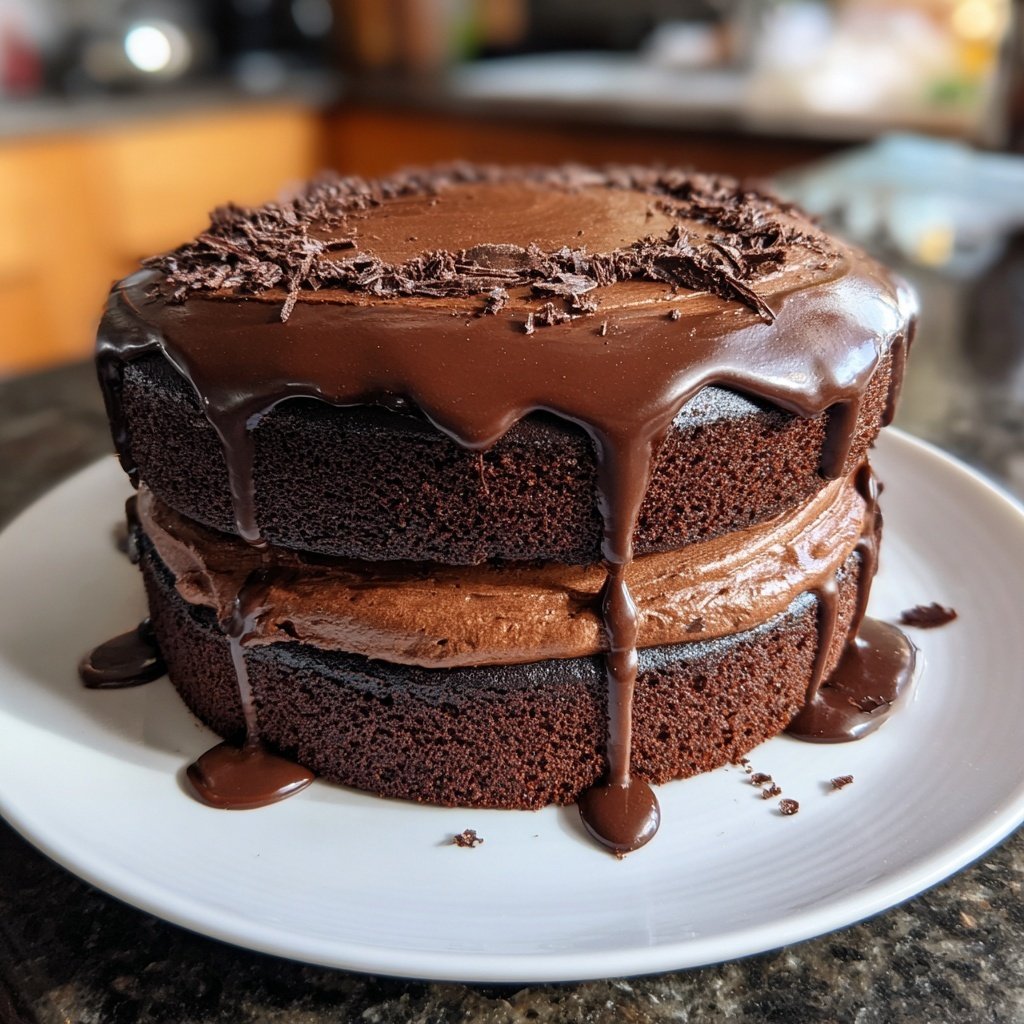
Decorating doesn’t have to be complicated. For an elegant touch, consider piping rosettes along the edges or adding chocolate shavings on top for an extra chocolate boost. You can also personalize the cake by incorporating seasonal flavors, like adding orange zest to the buttercream for a citrusy contrast. The possibilities are endless; don't be afraid to experiment!
Ingredients
Gather the following ingredients:
For the Cake
- 1 and 3/4 cups all-purpose flour
- 3/4 cup unsweetened cocoa powder
- 2 cups granulated sugar
- 1 and 1/2 teaspoons baking powder
- 1 and 1/2 teaspoons baking soda
- 1 teaspoon salt
- 2 large eggs
- 1 cup whole milk
- 1/2 cup vegetable oil
- 2 teaspoons vanilla extract
- 1 cup boiling water
For the Buttercream Frosting
- 1 cup unsalted butter, softened
- 4 cups powdered sugar
- 1/2 cup heavy cream
- 2 teaspoons vanilla extract
- 1/4 cup unsweetened cocoa powder (optional for chocolate frosting)
Ensure everything is ready to make the baking process smooth!
Instructions
Follow these steps to create your classic chocolate cake:
Prepare the Cake Batter
Preheat your oven to 350°F (175°C). In a large mixing bowl, combine the flour, cocoa powder, sugar, baking powder, baking soda, and salt. Mix well. Add the eggs, milk, oil, and vanilla extract. Beat on medium speed for 2 minutes. Stir in the boiling water until fully combined; the batter will be thin.
Bake the Cakes
Pour the batter evenly into two greased 9-inch round cake pans. Bake for 30 minutes or until a toothpick inserted into the center comes out clean. Let the cakes cool in the pans for 10 minutes, then transfer to a wire rack to cool completely.
Make the Buttercream Frosting
In a bowl, beat the softened butter until creamy. Gradually add powdered sugar and cocoa powder (if using). Pour in heavy cream and vanilla extract, then beat until light and fluffy.
Assemble the Cake
Once the cakes are completely cool, place one layer on a serving plate. Spread a generous amount of buttercream on top, then place the second layer on top. Frost the top and sides of the cake with the remaining buttercream.
Slice and enjoy your delicious homemade classic chocolate cake!
Pro Tips
- For the best results, make sure all your ingredients are at room temperature before starting. You can also add chocolate shavings or sprinkles on top for decoration.
Serving Suggestions
This Classic Chocolate Cake is incredibly versatile when it comes to serving. It pairs beautifully with fresh fruits such as strawberries or raspberries, which add a tart contrast to the rich, sweet cake. You might also consider serving it with a scoop of vanilla ice cream or a dollop of whipped cream to complement the smooth buttercream frosting. For a more decadent choice, serve it with a drizzle of warm chocolate sauce or a sprinkle of sea salt to enhance the chocolate flavor.
If you’re looking to extend the enjoyment, this cake can also be served on its own with a cup of coffee or tea, making it a perfect accompaniment for an afternoon gathering. Alternatively, slice it into smaller pieces for a dessert buffet, allowing guests to sample several treats. Just remember, storing any leftovers is simple; keep them in an airtight container at room temperature for up to three days, or refrigerate to extend freshness.
Variations to Try
While this recipe shines on its own, don't hesitate to switch things up based on your preferences! For a mocha twist, add 1 tablespoon of instant espresso powder to the dry ingredients, enhancing the chocolate flavor with a deep coffee profile. If you want to incorporate a bit of spice, a teaspoon of cinnamon can bring warmth to your cake, perfect for cozy gatherings.
Alternatively, if you’re interested in a gluten-free version, substitute all-purpose flour with a gluten-free baking blend. Just ensure the blend contains xanthan gum for proper structure. You can also experiment with different variations of buttercream, such as adding maple syrup or almond extract for unique flavor profiles that can elevate the classic chocolate taste.
Troubleshooting Common Issues
If your cake layers remain too sticky after baking, ensure that the pans are thoroughly greased and floured before pouring in the batter. This preparation step is critical to facilitate a smooth release once they cool. If the cakes end up dome-shaped instead of flat, gently press them down with your hands as they bake, or use a serrated knife to level them off after they cool for a neat presentation.
A common issue with buttercream is that it can separate if the butter is too warm when you start mixing. To avoid this, make sure your butter is just softened and not melted. If your buttercream seems too soft after mixing, chill it for 15-20 minutes in the refrigerator, then re-whip it to restore its fluffiness and stabilize it for decorating.
Questions About Recipes
→ Can I make this cake ahead of time?
Yes, you can bake the cake layers one day in advance and store them wrapped in plastic wrap. Frost the cake just before serving.
→ How should I store leftover cake?
Store leftover cake in an airtight container at room temperature for up to 3 days or in the refrigerator for up to a week.
→ Can I use other flavors for the buttercream?
Absolutely! You can substitute vanilla with almond extract or even add fruit purees for fascinating flavor twists.
→ What if I don't have baking soda?
If you don't have baking soda, you can substitute it with baking powder, but use more baking powder as you'll need about 2 to 3 times the amount.
Classic Chocolate Cake With Buttercream
Created by: Lacey Montgomery
Recipe Type: Cakes & Cravings
Skill Level: Intermediate
Final Quantity: 8 servings
What You'll Need
For the Cake
- 1 and 3/4 cups all-purpose flour
- 3/4 cup unsweetened cocoa powder
- 2 cups granulated sugar
- 1 and 1/2 teaspoons baking powder
- 1 and 1/2 teaspoons baking soda
- 1 teaspoon salt
- 2 large eggs
- 1 cup whole milk
- 1/2 cup vegetable oil
- 2 teaspoons vanilla extract
- 1 cup boiling water
For the Buttercream Frosting
- 1 cup unsalted butter, softened
- 4 cups powdered sugar
- 1/2 cup heavy cream
- 2 teaspoons vanilla extract
- 1/4 cup unsweetened cocoa powder (optional for chocolate frosting)
How-To Steps
Preheat your oven to 350°F (175°C). In a large mixing bowl, combine the flour, cocoa powder, sugar, baking powder, baking soda, and salt. Mix well. Add the eggs, milk, oil, and vanilla extract. Beat on medium speed for 2 minutes. Stir in the boiling water until fully combined; the batter will be thin.
Pour the batter evenly into two greased 9-inch round cake pans. Bake for 30 minutes or until a toothpick inserted into the center comes out clean. Let the cakes cool in the pans for 10 minutes, then transfer to a wire rack to cool completely.
In a bowl, beat the softened butter until creamy. Gradually add powdered sugar and cocoa powder (if using). Pour in heavy cream and vanilla extract, then beat until light and fluffy.
Once the cakes are completely cool, place one layer on a serving plate. Spread a generous amount of buttercream on top, then place the second layer on top. Frost the top and sides of the cake with the remaining buttercream.
Extra Tips
- For the best results, make sure all your ingredients are at room temperature before starting. You can also add chocolate shavings or sprinkles on top for decoration.
Nutritional Breakdown (Per Serving)
- Calories: 380 kcal
- Total Fat: 26g
- Saturated Fat: 15g
- Cholesterol: 195mg
- Sodium: 85mg
- Total Carbohydrates: 32g
- Dietary Fiber: 3g
- Sugars: 24g
- Protein: 6g